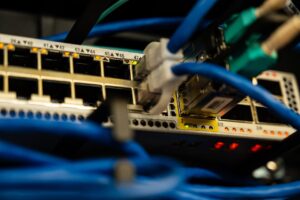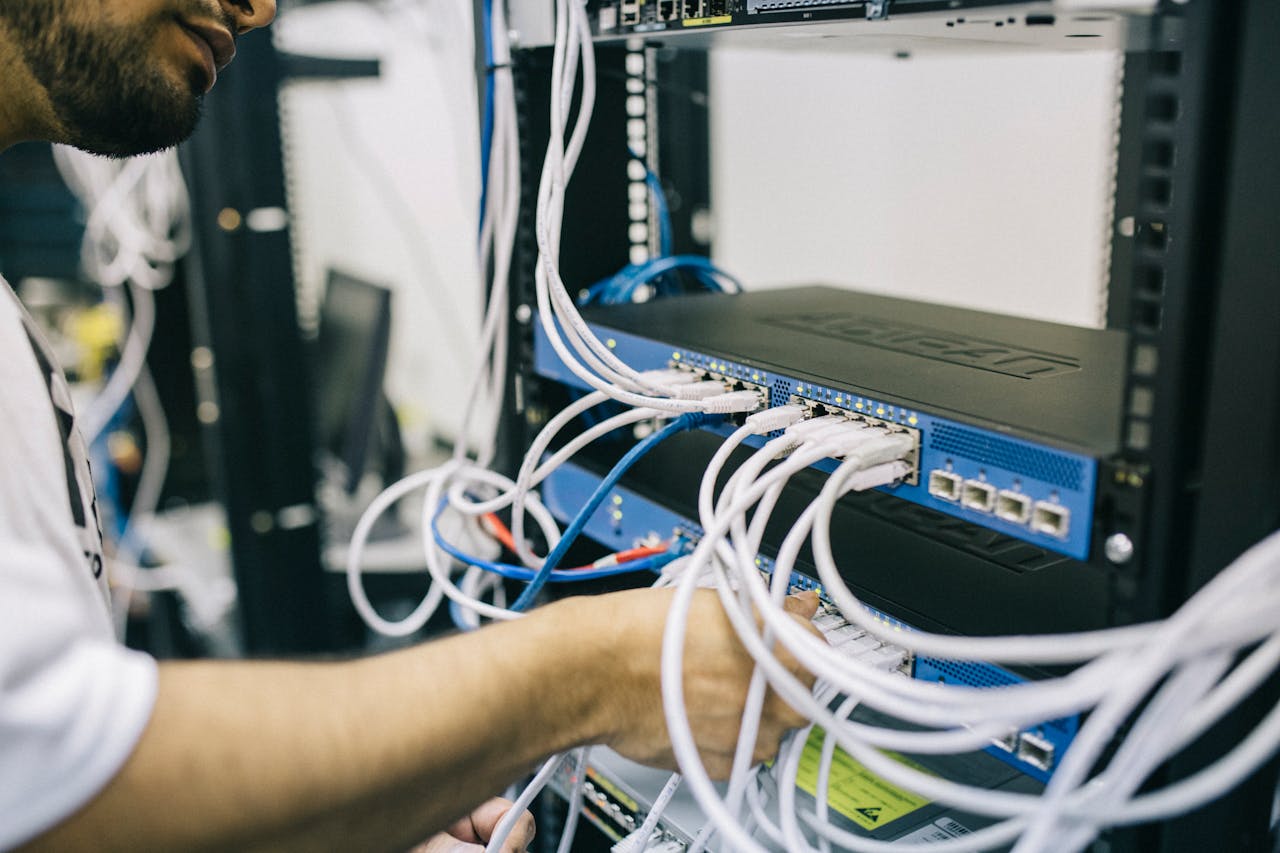
In today’s interconnected world, where businesses rely heavily on digital tools and cloud services, network management has become a critical component of maintaining efficient, secure, and reliable IT systems. A well-managed network ensures smooth communication, fast data transfer, and uninterrupted access to services—qualities essential to the productivity of both individuals and organizations.
Whether you’re a small business owner or part of a large enterprise, understanding the importance of network management and how it impacts your day-to-day operations is key to maintaining optimal performance and minimizing downtime. This article explores the fundamentals of network management, its key components, benefits, and best practices.
What is Network Management?
Network management refers to the process of administering, managing, and maintaining computer networks to ensure they run smoothly. This involves monitoring, configuring, and optimizing both hardware and software components of the network infrastructure. The goal is to guarantee network availability, performance, security, and scalability.
Network management can be complex, especially in large or rapidly evolving IT environments, but it’s essential for ensuring that critical resources like servers, routers, switches, and firewalls are functioning as they should.
Key Components of Network Management
Effective network management covers various aspects of network infrastructure. Some of the key components involved in the process include:
- Network Monitoring: Continuous monitoring of network traffic, performance, and devices is vital to detect issues before they become major problems. Network monitoring tools track key metrics like bandwidth usage, device health, uptime, and the status of connected endpoints. If any irregularities are detected—such as a spike in traffic or device failure—alerts are triggered to notify network administrators for quick resolution.
- Configuration Management: Configuration management involves ensuring that all network devices and software are correctly configured and consistently updated. This includes tasks like setting up routers and switches, ensuring network protocols are configured correctly, and applying firmware updates. Proper configuration ensures the network operates at peak efficiency and supports evolving business needs.
- Performance Management: Performance management focuses on ensuring the network is operating optimally by addressing issues like bandwidth bottlenecks, latency, and throughput. It involves fine-tuning network devices, such as load balancing, prioritizing traffic (Quality of Service), and optimizing routing paths to maintain fast and reliable communication across the network.
- Security Management: Security is one of the most critical aspects of network management. Security management involves protecting the network from cyber threats such as malware, unauthorized access, and denial-of-service attacks. This includes managing firewalls, intrusion detection systems (IDS), virtual private networks (VPNs), and encryption protocols to safeguard sensitive data and prevent breaches.
- Fault Management: Fault management identifies, isolates, and resolves problems in the network, such as device failures, broken links, or connectivity issues. This proactive approach helps minimize downtime and ensures that any faults are resolved before they can impact business operations.
- Bandwidth Management: Bandwidth management ensures that network resources are allocated efficiently based on demand. It involves controlling traffic flow to avoid congestion, optimize network usage, and guarantee that critical applications and services receive the bandwidth they need. Techniques like traffic shaping, load balancing, and bandwidth throttling are commonly used in this area.
- Capacity Management: As a business grows, so too does its network capacity. Capacity management involves planning for future network demands and ensuring that the infrastructure is scalable enough to accommodate increased traffic and new applications. Regular assessments help anticipate future growth and avoid bottlenecks that can disrupt services.
Benefits of Network Management
- Improved Network Performance: Proper network management ensures that performance issues are minimized, leading to faster data transfer, reduced latency, and higher overall efficiency. For businesses that rely on cloud services, real-time communication, or data-heavy applications, network performance is critical.
- Minimized Downtime: One of the biggest risks of poor network management is extended downtime. By proactively monitoring network health and addressing issues quickly, businesses can prevent extended outages, which can be costly and disruptive. Network management tools alert administrators to potential problems before they escalate.
- Enhanced Security: With cyber threats on the rise, robust security management within network management is essential. Ensuring the network is secure from malicious activity, unauthorized access, and vulnerabilities helps protect sensitive business data and prevents costly security breaches.
- Scalability and Flexibility: A well-managed network is flexible enough to grow with your business. By continuously assessing capacity needs, organizations can ensure their network can scale as demand increases, supporting new applications, devices, and users without compromising performance.
- Cost Savings: Proactive network management can help reduce costs by optimizing resource usage and preventing costly outages. By avoiding network inefficiencies, such as bandwidth wastage, organizations can lower operational expenses. Additionally, minimizing downtime helps avoid revenue losses and reputational damage.
Best Practices in Network Management
- Implement Regular Monitoring: Real-time monitoring is the first line of defense in detecting issues before they escalate. Use network monitoring tools to track performance, analyze traffic patterns, and identify potential bottlenecks or failures. These insights allow administrators to respond proactively.
- Ensure Proper Security Protocols: Network security is paramount. Regularly update security measures, use strong encryption for data transmission, and monitor access points for suspicious activity. Ensure firewalls, anti-virus software, and intrusion detection systems are always active.
- Document Network Configuration: Maintain up-to-date documentation of your network configuration, including IP addresses, device settings, and topologies. This documentation serves as a valuable reference when troubleshooting or making changes to the network.
- Automate Where Possible: Network management tools can automate routine tasks such as software updates, configuration backups, and traffic analysis. Automation reduces human error, speeds up processes, and frees up time for network administrators to focus on strategic tasks.
- Plan for Future Growth: Network needs evolve over time. Regularly assess your infrastructure to ensure that it can handle future growth in terms of users, devices, and bandwidth demands. Invest in scalable technologies that allow for easy expansion.
- Establish Clear Network Policies: Clear guidelines and policies for network usage, access, and security should be established and communicated throughout the organization. Educating employees on safe internet practices and enforcing access controls can help prevent security breaches and optimize network usage.
Network Management Tools
Several tools can assist network administrators in managing and optimizing their networks. Some popular network management solutions include:
- SolarWinds Network Performance Monitor: Offers real-time monitoring, alerting, and troubleshooting capabilities for large-scale networks.
- Nagios: An open-source network monitoring tool that tracks network services, host resources, and performance.
- PRTG Network Monitor: Provides a comprehensive view of your network, including bandwidth monitoring, traffic analysis, and device management.
- Cisco Prime Infrastructure: A solution designed for managing Cisco devices and providing insight into network health and performance.
Conclusion
Network management is a fundamental aspect of modern IT infrastructure, ensuring that networks remain secure, efficient, and reliable. With businesses increasingly dependent on digital services, a well-managed network supports productivity, enhances security, and provides the scalability necessary for growth. By implementing best practices, utilizing the right tools, and staying proactive in monitoring and optimizing the network, organizations can achieve smoother operations, minimize downtime, and ensure that their networks continue to meet the demands of the future. Whether you’re managing a small office or a global enterprise, effective network management is essential to long-term success in the digital age.
Discover more from Static Computers
Subscribe to get the latest posts sent to your email.